


Hajj 2026 complete guide for pilgrims preparing for the sacred journey
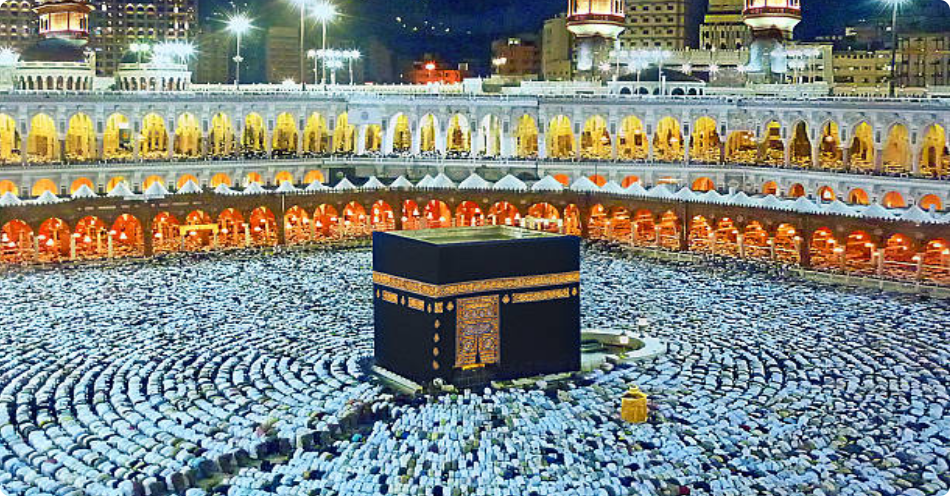
Hajj is one of the Five Pillars of Islam and a once-in-a-lifetime obligation for every Muslim who is physically and financially able. Each year, millions of believers from across the world gather in the holy cities of Makkah and Madinah to perform this deeply spiritual pilgrimage.
If you are planning to perform Hajj in 2026, early preparation is essential. This complete guide covers important dates, eligibility, rituals, travel arrangements, health requirements, and practical tips to help you prepare for a smooth and meaningful journey.
Hajj 2026: Expected Dates
Hajj is performed during the Islamic month of Dhul-Hijjah.
Expected Hajj Dates:
8th – 13th Dhul-Hijjah 1447 AH
Approx. 25 – 30 May 2026
(Final dates depend on moon sighting)
Pilgrims usually arrive in Saudi Arabia 7–10 days before Hajj and depart several days after completion.
Who Is Eligible to Perform Hajj?
To perform Hajj, a Muslim must:
- Be Muslim
- Be physically and mentally fit
- Be financially capable without incurring debt
- Have safe passage to and from Saudi Arabia
- For women, travel according to their country’s Hajj regulations
Saudi authorities strictly enforce the rule:
“No Hajj without a valid permit.”
Only pilgrims with approved visas and official bookings are allowed to enter Makkah during Hajj season.
Hajj Visa & Registration Process (2026)
Official Booking Platforms
- Most pilgrims must book through authorized Hajj operators or their country’s official Hajj committee.
- Many countries now use Saudi Arabia’s Nusuk Hajj platform for visa issuance and package selection.
- Key Documents Required
- Valid passport (minimum 6 months validity)
- Completed Hajj application form
- Passport-size photographs
- Medical fitness certificate
- Proof of vaccination
- Payment receipts and booking confirmation
- Health & Vaccination Requirements
Saudi Arabia mandates strict health protocols for Hajj pilgrims.
- Mandatory Vaccinations
- Meningococcal (ACWY)
- Seasonal influenza
- Polio (for travelers from certain countries)
- Health Preparation Tips
- Begin walking daily at least 4–6 weeks before Hajj
- Manage chronic conditions (diabetes, BP, asthma)
- Carry prescribed medicines with doctor’s notes
- Stay hydrated and protect yourself from heat
Elderly pilgrims and those with medical conditions should travel with companions.
Step-by-Step Overview of Hajj Rituals
1. Ihram
Pilgrims enter the sacred state of Ihram from designated Miqat points, making intention (niyyah) and reciting the Talbiyah.
2. Mina (8th Dhul-Hijjah)
Pilgrims stay in Mina, performing prayers and preparing for the Day of Arafat.
3. Arafat (9th Dhul-Hijjah)
The most important day of Hajj. Pilgrims stand in Wuquf-e-Arafat, making dua and seeking forgiveness until sunset.
4. Muzdalifah
After sunset, pilgrims travel to Muzdalifah, pray, rest, and collect pebbles for stoning.
5. Ramy al-Jamarat
Pilgrims stone the pillars in Mina, symbolizing rejection of evil.
6. Qurbani & Hair Cutting
Animal sacrifice is performed, followed by shaving (men) or trimming (women) hair.
7. Tawaf al-Ifadah & Sa’i
Pilgrims return to Makkah to perform Tawaf around the Kaaba and Sa’i between Safa and Marwah.
8. Farewell Tawaf (Tawaf al-Wida)
Performed before leaving Makkah.
Accommodation & Transportation
Accommodation Types
- Makkah Hotels: Vary by distance from Masjid al-Haram
- Mina & Arafat Tents: Air-conditioned tents with medical and food services
- Premium Packages: Closer locations and better transport facilities
Transportation
- Organized buses or trains between Makkah, Mina, Arafat, and Muzdalifah
- Internal movement is strictly scheduled
What to Pack for Hajj
Essential Items
- Ihram clothing / modest attire
- Comfortable walking sandals
- Waist pouch for valuables
- Refillable water bottle
- Unscented toiletries
- Prayer mat & Quran
- Sunglasses, sunscreen, umbrella
- Power bank & SIM card
- Pack light—crowds and walking are intense.
Safety & Crowd Management
Saudi Arabia implements advanced crowd control, surveillance, and medical facilities during Hajj.
Important Safety Tips
- Follow group leaders and official instructions
- Avoid peak crowd hours when possible
- Stay hydrated and rest frequently
- Memorize or carry hotel and camp details
- Keep emergency contact numbers accessible
- Unauthorized pilgrims face fines, deportation, and bans.
- Spiritual Preparation for Hajj
- Hajj is not just physical—it is deeply spiritual.
- Learn the Hajj rituals before departure
- Seek forgiveness and reconcile with others
Make a list of duas
- Practice patience, humility, and kindness
- Focus on sincerity and intention
Frequently Asked Questions


What are the essential preparations every pilgrim should complete before Hajj 2026?

Preparing for Hajj 2026 involves ensuring a valid passport, obtaining the required Hajj visa through an authorised channel, confirming travel arrangements, understanding the pilgrimage rituals, arranging suitable accommodation, and completing any mandatory health or vaccination requirements issued by the Saudi authorities. Pilgrims should also familiarise themselves with the Hajj itinerary and travel guidelines well before departure.
What rituals are performed during Hajj 2026, and in what sequence?

The principal rituals of Hajj include entering the state of Ihram, performing Tawaf around the Kaaba, completing Sa'i between Safa and Marwah, standing in prayer at Arafat (Wuquf), spending the night in Muzdalifah, performing the symbolic stoning of the Jamarat at Mina, offering Qurbani where applicable, shaving or trimming the hair, and completing the Farewell Tawaf before leaving Makkah. Following the prescribed sequence is an essential aspect of fulfilling the pilgrimage correctly.
How can pilgrims choose the most suitable Hajj package for 2026?
The most appropriate package depends on several factors, including departure city, travel duration, accommodation category, proximity to the Holy Sites, airline, transportation arrangements, group size, included services, and overall budget. Comparing offerings from authorised travel agencies helps pilgrims identify the option that best aligns with their individual requirements and expectations.
What health and safety measures should pilgrims follow during Hajj 2026?
Pilgrims should remain hydrated, follow official health advisories, wear appropriate footwear, protect themselves from prolonged sun exposure, maintain personal hygiene, carry prescribed medications, and comply with crowd management instructions issued by Saudi authorities. Staying informed through official announcements contributes to a safer and more comfortable pilgrimage experience.
When should pilgrims begin planning for Hajj 2026?
Planning should begin several months before departure. Early preparation provides greater flexibility when selecting travel dates, accommodation, airline options, and authorised travel agencies while allowing sufficient time to complete documentation, health requirements, financial planning, and religious preparation.
Where can pilgrims compare Hajj 2026 packages from multiple authorised travel agencies?
Pilgrims can compare Hajj 2026 packages through Bashaarat, where offerings from multiple verified travel agencies are available on a single platform. Comparing package inclusions, accommodation standards, travel schedules, airline options, pricing, and support services enables pilgrims to make a well-informed booking decision based on their individual travel preferences and budget.
Explore Umrah Packages by Month
Explore Umrah Packages by Days
Explore Umrah Packages by Departure Airport
Explore Umrah Packages by Nearby Location



© 2026 Bashaarat. All rights reserved.
Enquire Now
Share your enquiry and we’ll connect with you to
assist with your Hajj or Umrah plans.